6 Steps to a Kitchen Remodel
Step 1: Planning Your Kitchen Remodel the Right Way
Every successful kitchen remodel starts with proper planning. This step sets the foundation for the entire project and helps homeowners avoid costly changes later. During the planning phase, you should define your goals, priorities, and budget. Think about how you use your kitchen daily. Consider storage needs, traffic flow, and whether your current layout supports your lifestyle.
At this stage, it is also important to determine whether your remodel is cosmetic or structural. Cosmetic updates may include cabinets, countertops, and flooring, while structural changes involve walls, plumbing, or electrical systems. These decisions directly impact cost, timeline, and permitting.
Working with an experienced kitchen remodeling contractor in New Jersey helps bring clarity early. A professional can point out layout limitations, code requirements, and opportunities you may not have considered. Solid planning reduces stress, keeps the project on track, and ensures your finished kitchen delivers long term value.
Step 2: Kitchen Design and Layout Development
Once the vision is clear, the next step is turning ideas into a functional kitchen design. Layout is one of the most critical elements of a remodel because it affects how the space works every day. This is when decisions are made about cabinet placement, appliance locations, island size, and walkways.
A good kitchen design balances style with function. Storage, lighting, and workflow all need to be carefully planned. Popular layouts like L shaped, U shaped, and open concept kitchens must be tailored to the home’s structure, not forced into the space.
Professional design services help homeowners visualize the finished kitchen and avoid mistakes that are difficult to correct later. With proper design planning, the kitchen will feel natural, efficient, and comfortable for years to come.
Step 3: Selecting Materials and Finishes for Your Kitchen
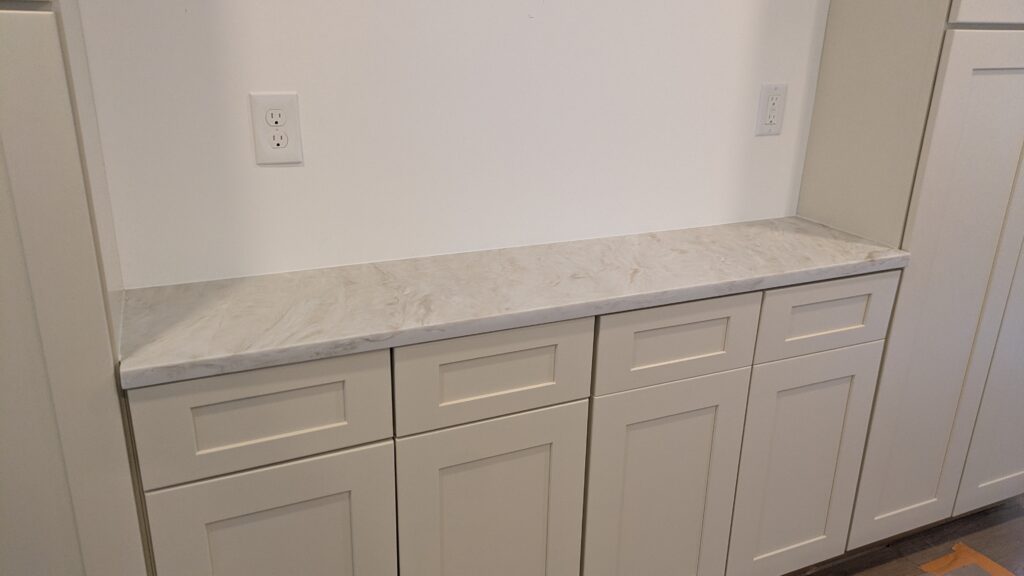
Material selection is where your kitchen remodel starts to feel real. Cabinets, countertops, flooring, backsplash tile, fixtures, and lighting all come together to define the look and durability of the space. Choosing materials is not just about appearance. Performance and maintenance matter just as much.
New Jersey kitchens must withstand humidity, temperature changes, and heavy daily use. Quality materials hold up better and protect your investment. During this step, homeowners should also consider lead times for custom cabinets or specialty items, as these can affect scheduling.
An experienced contractor helps guide selections based on budget, lifestyle, and long term value. The right materials ensure your kitchen looks great and functions properly well into the future.
Step 4: Permits, Ordering, and Pre Construction Preparation
Before construction begins, permits must be secured and materials ordered. In New Jersey, kitchen remodels often require permits for electrical, plumbing, and structural work. Skipping this step can cause serious issues later, especially during resale.
This phase also includes final measurements, confirming delivery schedules, and coordinating inspections. A professional contractor manages this process to prevent delays and mistakes. Proper preparation keeps the construction phase efficient and organized.
When this step is handled correctly, the project moves forward smoothly and avoids unnecessary downtime once work begins.
Step 5: Kitchen Demolition and Construction
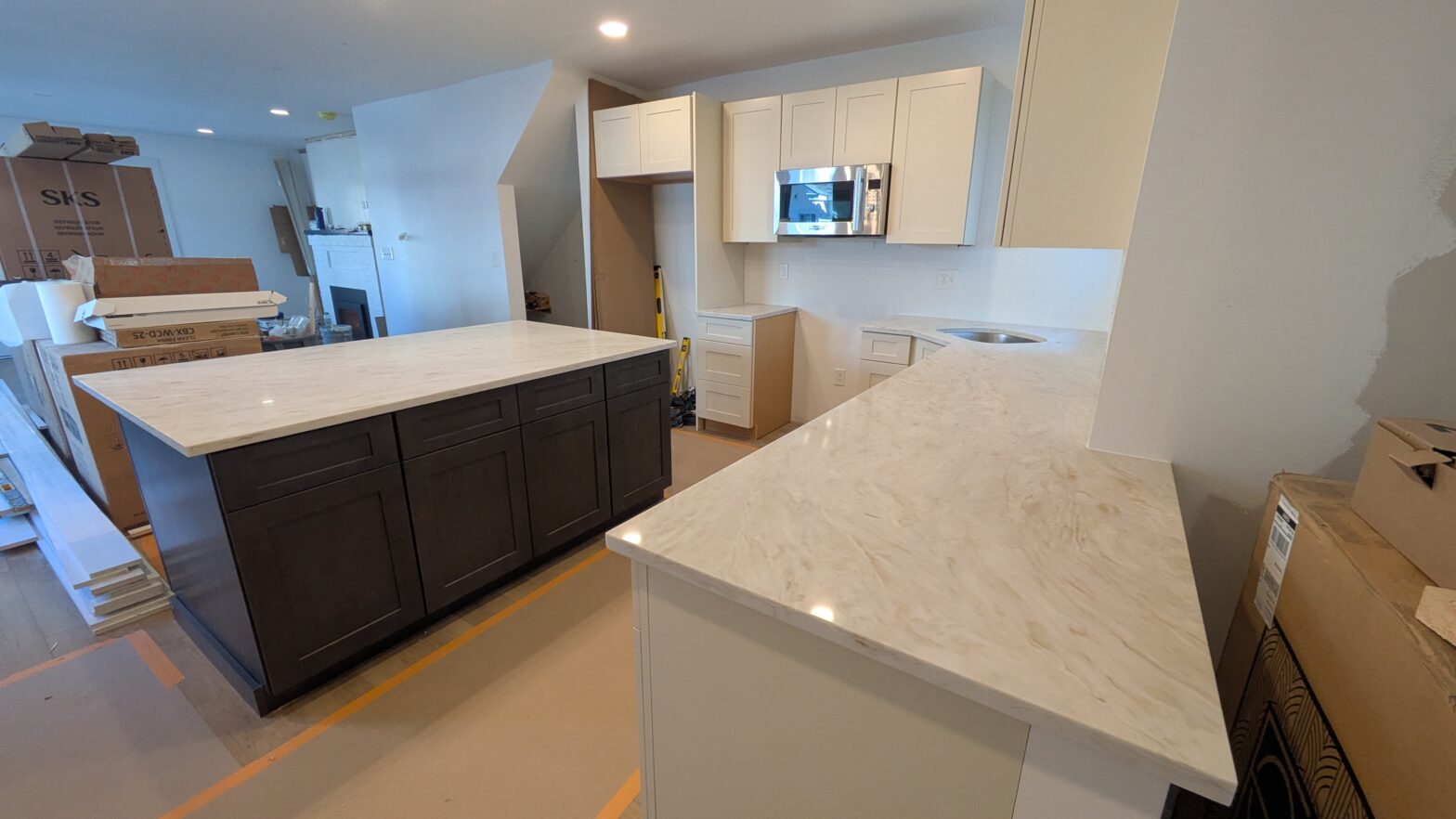
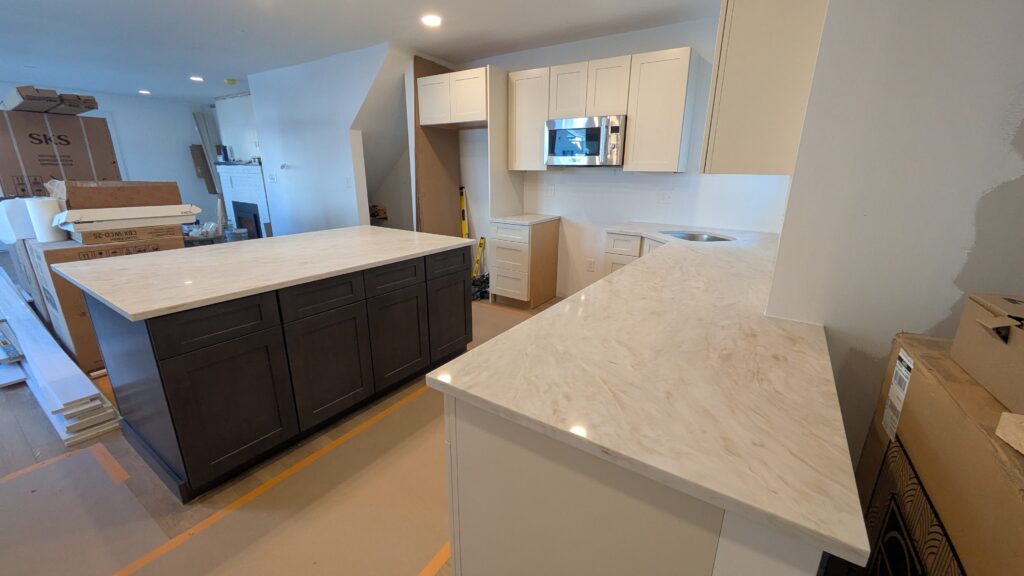
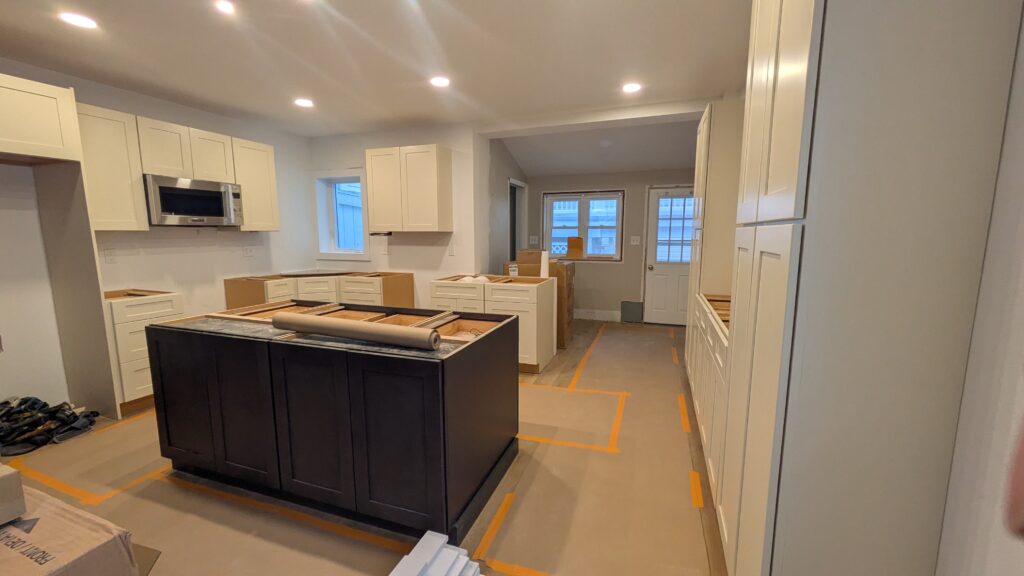
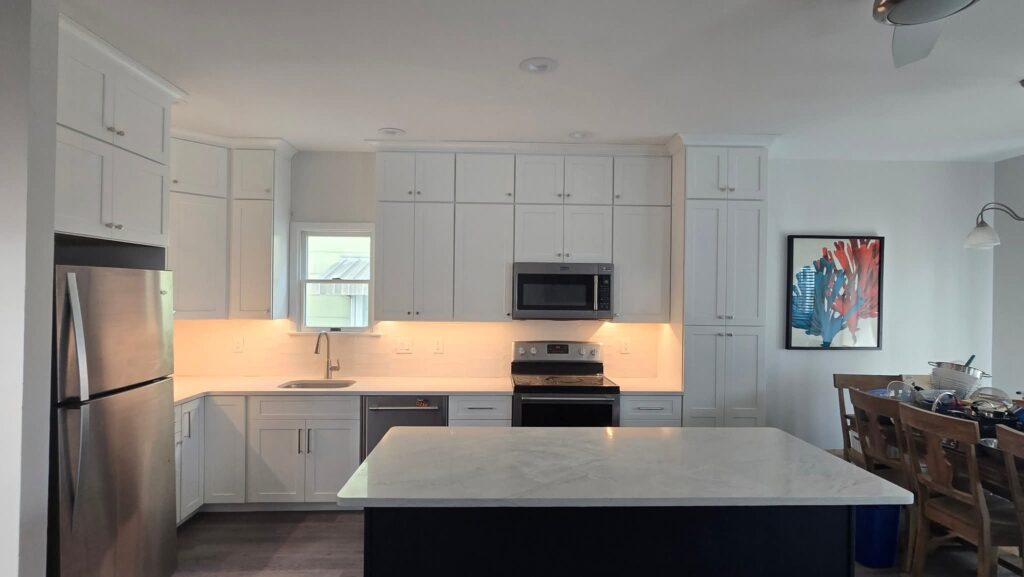
Construction is the most visible phase of a kitchen remodel. It begins with demolition, followed by framing, plumbing, electrical work, inspections, and installation of cabinets, countertops, and finishes. This step requires skilled coordination to keep the project moving safely and efficiently.
Unexpected issues such as hidden water damage or outdated wiring can appear during demolition. Experienced contractors know how to address these problems without derailing the project.
Clear communication during construction is essential. Homeowners should receive updates on progress and next steps. When managed properly, this phase transforms plans on paper into a functional and beautiful kitchen.
Step 6: Final Details, Walkthrough, and Project Completion
The final step of a kitchen remodel focuses on details and quality control. Trim work, fixture installation, final electrical connections, and touch ups are completed. This is also when appliances are installed and the kitchen becomes fully operational.
A professional walkthrough ensures everything meets expectations and functions correctly. Any final adjustments are addressed before the project is considered complete. Inspections are closed out and the space is cleaned thoroughly.
This final step is about delivering a kitchen that is not only visually impressive but built to last. When done right, homeowners
can enjoy their new kitchen with confidence, knowing the work was completed properly from start to finish.
Contact us today for pricing and more information!
Contact
Destiny Builders and Design LLC
Based in Galloway NJ
Serving all of South Jersey, Atlantic County, Ocean City, Cape May NJ